Driveway Washing: How to Remove Oil Spots, Rust Stains, and Tire Marks on Concrete
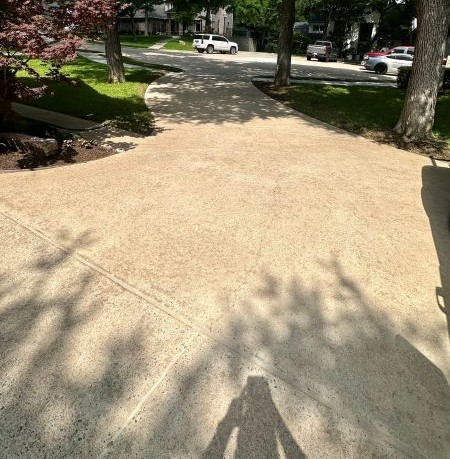
Concrete is tough, but it is also porous. Oil drips soak in, rusty sprinkler lines leave orange trails, and hot tires can track rubber that smears into the surface. If you want a driveway that looks bright and well-kept, understanding how professionals clean and protect it makes a big difference. In Plano’s heat and sun, that matters for curb appeal and for the life of the concrete.
This guide explains how experienced pressure washing pros approach stubborn oil, rust, and tire marks on residential concrete. If you would like a deeper dive into our process, see our driveway washing service to learn how trained technicians restore stained surfaces while protecting your property.
Why Oil, Rust, and Tire Marks Stick to Concrete
Concrete looks solid, but under a microscope it resembles a network of tiny capillaries. Oil can wick into those pores and bond with dust, making dark spots that do not rinse away with rain. Rust stains form when iron in water or metal fixtures oxidizes and leaves orange or brown residue that can react with the mineral content in concrete. Tire marks often come from plasticizers and soft rubber compounds that transfer to hot pavement, especially after long drives or summer parking.
Plano’s climate speeds this up. Hot pavement can warm oil so it spreads deeper. UV light can harden tire residues. Irrigation overspray concentrates minerals that leave rusty shadows near the driveway edge. Knowing the cause helps choose the right professional cleaning sequence.
Plano Weather and Local Factors That Worsen Driveway Stains
North Texas heat is tough on driveways. Summer afternoons bake the surface, which opens the pores and draws in drips more quickly. Wind can carry dust from nearby construction, which mixes with oil and makes spots appear larger and grayer over time. Shaded driveways, common on tree-lined streets in Plano, can also stay damp after irrigation or storms, which slows natural fading and allows rust discoloration to set.
Sprinkler systems are another factor. If your water source has iron content or your system uses metal components that corrode, light rust can streak along the concrete in fan shapes. Over time, these stains become more noticeable against lighter slabs. Tire tracking also worsens after highway driving in summer, when rubber is soft and hot. These local patterns guide how professionals approach pretreatments and cleaning passes.
Professional Oil Spot Removal on Concrete
Experienced technicians start by identifying whether a stain is fresh or set. Fresh drips often respond to targeted degreasing and controlled hot-water cleaning. Set-in stains may require a specialty oil-bond release detergent that helps lift petroleum from the pores so it can be rinsed away without etching the slab.
Pros combine the right chemistry and temperature with even, overlapping passes from a surface cleaner. This tool keeps pressure consistent and prevents zebra lines or uneven shading. On older concrete, a second pretreatment may be used so remaining residue can release. When heavy oil has oxidized, technicians may return for a follow-up pass after the driveway has fully dried, because some deep oils take time to surface.
- Common local sources of oil: daily parking, small engine leaks, and cooking spills near the garage.
- Contributing conditions: hot pavement, wind-blown dust, and shaded edges that slow natural drying.
Plano homeowners often ask if stains can be removed 100 percent. Honest answer: it depends on age, depth, and previous cleaning attempts. Skilled cleaning can dramatically improve appearance and lighten even stubborn oil spots, and in many cases restore a uniform look across the slab.
Rust Stain Treatment That Protects Concrete
Rust removal is not a one-size job. Light sprinkler rust behaves differently than rust from fertilizer granules or metal furniture feet. Professionals select a rust-specific cleaner designed to dissolve iron oxide without damaging surrounding materials. They also protect nearby plants with pre-wetting and post-rinsing and keep run-off managed so it does not streak across clean sections.
Colored or decorative concrete needs extra care. A spot test checks for unwanted color change before a full treatment. After the rust breaks down, a thorough rinse and neutralization step help return the surface to a stable pH so it brightens instead of dulling. The goal is a clean, even finish without halo rings or new etch marks where the stain used to be.
Never mix acid-based rust removers with bleach or other chemicals. This is a safety risk and can also create new surface damage that is harder to correct. Let trained technicians handle the chemistry so your driveway ends up brighter, not blotchy.
Tire Mark and Black Track Removal
Tire residues often show as half-moon arcs near the garage or as straight lines where hot tires paused. These marks are a blend of rubber, road film, and plasticizers. Trained crews use targeted alkaline cleaners that loosen the bond, then follow with controlled hot-water cleaning to lift the residue without gouging the cream layer of the concrete.
Some tire shadows can reappear faintly as the slab dries. When that happens, a short return pass with the proper detergent is more effective than pushing harder on the first visit. Avoid high pressure on delicate or aged concrete, since aggressive blasts can scar the surface. Even measured cleaning with the right chemistry protects the slab and keeps the look consistent.
Concrete Brightening and a Uniform Finish
After heavy stain removal, your driveway may look clean but slightly gray. That gray is often microfilm from minerals or cleaner residue. Pros address this with a brightening rinse or pH-balancing step designed for concrete. The result is a lighter, more even appearance that matches adjacent walkways and gives your home an instant lift.
When neighbors in Plano talk about driveway cleaning Plano TX needs, they often mention oil stain removal, rust stain treatment, and concrete brightening. These are core parts of a full-service visit and are most effective when combined in the right sequence.
Hot North Texas days can make concrete feel dry, but stains may still be active below the surface. Scheduling driveway washing in the cooler morning helps cleaners work longer before the sun speeds drying, which supports better lift and a brighter final look.
What to Expect During a Professional Driveway Washing
A good service visit begins with a walkthrough. Your technician will look for oil spots, rust streaks, tire marks, and any hairline cracks or fragile edges. Nearby landscaping and doors are protected, and drainage paths are planned so rinse water does not track across clean sections or into the street.
Pretreatments are applied where needed. In general areas, a balanced detergent helps release common soil so the surface cleaner can work evenly. Stubborn zones receive targeted rust or oil products. The cleaning itself uses consistent, measured pressure, followed by a careful rinse. On older or high-visibility driveways, a brief brightening step can lift light haze and return a crisp tone.
Your technician will review results with you while the driveway is drying. Some deep stains can continue to lighten over 24 to 48 hours. If a follow-up pass is recommended, you will know exactly why and what to expect from it. Setting clear expectations upfront helps ensure you are pleased with both the process and the finish.
For homeowners who want to understand the process in more detail, the professional driveway washing page explains cleaning tools, plant protection, and finish steps in plain language.
How Often Plano Homeowners Should Schedule Service
There is no single schedule that fits everyone. A busy driveway with two cars that commute daily will collect oil film and rubber faster than a weekend-only vehicle. Shaded drives near trees may also stain faster from leaves and irrigation. In Plano, many homeowners see the best results with a thorough washing once a year, plus targeted attention to fresh drips so they do not set in.
Season also matters. Early spring is popular after winter grime and before peak irrigation. Late fall can be a good time to remove tire film and leaf tannins so the slab goes into winter clean. If you notice new rust trails near sprinkler heads, addressing them soon helps avoid permanent halos that are harder to blend later.
- Signs you are due: dark patches that do not fade after rain, orange streaks along edges, or black arcs where tires turn.
- Benefits you will notice: a brighter driveway, fewer dust tracks into the garage, and a neater overall look from the street.
Care After Cleaning Without Doing It Yourself
You do not have to become a chemist to keep a driveway looking sharp. A few simple habits help the results last longer. If a vehicle develops a drip, place a barrier under it until a service visit can address the spot. If you see sprinkler overspray on the slab, consider adjusting heads so they water the lawn, not the concrete. These small choices reduce the load on the surface and make each professional cleaning more effective.
When you need help fast, our Plano pressure washing team at Legacy Softwash LLC can evaluate fresh spills and guide you on next steps. You can learn more about our full capabilities by visiting our Plano pressure washing team website for an overview of services and property care standards.
Why Homeowners Choose Legacy Softwash LLC in Plano
Trust matters when someone is working near your garage door, landscaping, and walkways. Homeowners choose Legacy Softwash LLC because we focus on consistent results, plant-safe practices, and clear communication from the first call to the final rinse. Our technicians use professional-grade detergents and tools designed for concrete, then follow up with brightening steps that bring back an even tone.
We serve neighborhoods across Plano and nearby communities within a short drive. That local focus means we understand how North Texas heat, irrigation, and traffic patterns affect stains. When you want driveway cleaning in Plano, TX, for oil stain removal, rust stain treatment, or concrete brightening, our team brings experience that shows in the finish.
Ready for a Cleaner Driveway in Plano, TX?
For professional driveway washing in Plano, TX, contact Legacy Softwash LLC today. Call us at 469-756-9683 to talk through your driveway’s condition and scheduling options that work for you.
If you are comparing options or want to understand process details, our driveway washing service page outlines inspection, pretreatments, and brightening, so you know exactly how your concrete can be cleaned and protected.
Keep safety first and protect finishes by letting trained technicians handle stain removal. With the right blend of pretreatment, temperature, and controlled cleaning, your driveway can look brighter, cleaner, and ready to welcome you home.
LEAVE THE STAINS TO US!
CONTACT OUR PLANO PRESSURE WASHING EXPERTS TODAY FOR A FREE ESTIMATE!